
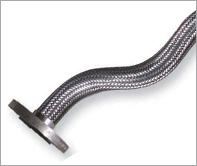
Industrial facilities face relentless chemical attacks that can devastate standard fluid transfer systems. Corrosive agents eat through conventional materials, causing catastrophic failures and costly shutdowns. The right stainless steel hose becomes absolutely critical for operational survival in such challenging circumstances.
A properly specified stainless steel hose provides the defensive barrier that aggressive chemicals cannot penetrate. Advanced metallurgy creates an impenetrable shield against corrosion whilst maintaining flexibility and durability. This protection prevents the expensive disasters that destroy poorly protected systems.
Understanding Chemical Corrosion Challenges
The Hidden Threat of Chemical Attack: Chemical processing environments present invisible dangers that steadily weaken standard hose materials. Acids, bases, and oxidising agents work continuously to break down molecular structures, creating micro-cracks that eventually become major failures.
Cost of Inadequate Protection: Facilities using inferior materials face recurring replacement cycles, emergency shutdowns, and potential safety incidents. The financial impact extends beyond immediate repair costs to include lost production, regulatory fines, and reputation damage that affects long-term business viability.
Environmental Factors That Accelerate Deterioration: Temperature fluctuations, pressure variations, and chemical concentration changes create the perfect storm for accelerated corrosion. These factors combine to overwhelm protective systems that lack proper metallurgical composition and structural integrity.
Stainless Steel Metallurgy and Corrosion Resistance
Grade 316L: The Gold Standard: The 316L stainless steel grade contains molybdenum additions that dramatically enhance corrosion resistance against chlorides and other aggressive chemicals. This composition creates a passive oxide layer that self-repairs when damaged, providing continuous protection from the elements.
Chromium Content and Passivation: High chromium content forms a protective barrier that prevents oxygen from reaching the underlying metal structure. This passivation process occurs naturally when exposed to oxygen, creating an invisible shield that regenerates automatically after surface damage.
Nickel Addition Benefits: Nickel content improves ductility and enhances resistance to stress corrosion cracking under challenging conditions. This addition allows the material to maintain structural integrity even when subjected to mechanical stress combined with chemical exposure.
Chemical Processing Applications
Acid Handling Systems: Pharmaceutical and chemical manufacturing facilities rely on stainless steel hoses to transport concentrated acids safely. The material’s resistance to nitric, sulfuric, and hydrochloric acids prevents contamination and maintains product purity throughout the process.
Alkaline Solution Transfer: Food processing and cleaning operations use high-pH solutions that quickly destroy standard materials. Stainless steel construction maintains system integrity whilst preventing metallic contamination that could compromise product quality or safety standards.
Oxidising Agent Resistance: Bleaching and sterilisation processes employ powerful oxidising chemicals that attack conventional materials aggressively. Proper stainless steel grades maintain their protective properties even under continuous exposure to these harsh conditions.
Oil and Gas Industry Requirements
Downstream Processing Challenges: Refineries handle multiple corrosive substances simultaneously, including hydrogen sulfide, sulfuric acid, and various hydrocarbons. The complex chemical environment requires materials that resist multiple attack mechanisms without degrading over time.
Offshore Platform Conditions: Marine environments combine saltwater exposure with processing chemicals to create exceptionally challenging conditions. Stainless steel hoses provide the dual protection needed against both environmental corrosion and process chemical attack.
Pipeline Transfer Applications: • High-pressure chemical injection systems requiring corrosion-resistant materials
- Methanol and glycol transfer lines in gas processing facilities
- Produced water handling systems with high chloride content
- Chemical treatment delivery systems for pipeline maintenance
Performance Under Extreme Conditions
Temperature Cycling Effects: Repeated heating and cooling cycles stress the material structure whilst maintaining exposure to corrosive chemicals. Quality stainless steel maintains its protective properties through these thermal fluctuations without developing stress-related failures.
Pressure Surge Resistance: Chemical processing systems experience pressure variations that can compromise inferior materials. Stainless steel construction provides the mechanical strength needed to handle these fluctuations without creating leak paths or structural damage.
Long-Term Reliability Factors: Extended service life depends on the material’s ability to maintain its protective properties over years of continuous exposure. Proper stainless steel grades demonstrate proven performance records spanning decades in challenging chemical environments.
Maintenance and Longevity Benefits
Reduced Replacement Frequency: Quality stainless steel hoses operate for extended periods without degradation, reducing maintenance scheduling and inventory requirements. This reliability translates directly into lower operational costs and improved production efficiency.
Cleaning and Sterilisation Compatibility: Food processing and pharmaceutical applications require regular cleaning with aggressive sanitising agents. Stainless steel surfaces resist these cleaning chemicals whilst maintaining smooth surfaces that prevent bacterial growth and contamination.
Inspection and Monitoring Advantages: The material’s predictable performance characteristics allow for scheduled maintenance based on actual service conditions rather than conservative estimates. This approach optimises replacement timing and reduces unnecessary downtime.
Selection Criteria for Optimal Performance
Chemical Compatibility Assessment: Proper material selection requires detailed analysis of all chemicals present in the system, including cleaning agents, process additives, and potential contaminants. This comprehensive evaluation ensures the chosen grade provides adequate protection against all possible attack mechanisms.
Operating Condition Evaluation: Temperature ranges, pressure requirements, and mechanical stress factors influence material selection decisions. These parameters determine the specific grade and construction details needed for reliable long-term performance.
Regulatory Compliance Requirements: Industry standards and regulatory requirements often specify minimum material grades for specific applications. Compliance ensures not only legal operation but also provides assurance of proven performance in similar applications.
Conclusion
Corrosive chemical environments demand materials that provide unwavering protection against aggressive attack mechanisms. Quality stainless steel hoses deliver the metallurgical properties needed to maintain system integrity whilst ensuring operational reliability. The investment in proper materials pays dividends through reduced maintenance costs, improved safety, and enhanced operational efficiency. Contact experienced specialists to evaluate your specific requirements and select the optimal solution for your challenging chemical handling applications.


Leave a Reply