

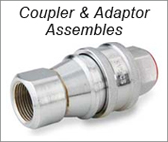
Pressure rating, temperature range, body metal and seal compound all decide whether a quick release coupling will suit the line it is meant to serve. Matching the four together removes most of the guesswork from specification.
Key Takeaways:
- A quick release coupling should be rated above the surge pressure, not the average.
- Seal compound follows the fluid, not the budget.
- Brass, stainless and aluminium each suit different operating environments.
- Cold conditions stiffen seals and warrant a compound rated for the low end.
- Cycle frequency changes which coupling build makes sense.
Selecting a coupling for an industrial line pulls four decisions together at once. Pressure rating, temperature range, body material and seal compound all have to agree with each other. A quick release coupling earns its place when every one of those four specifications lines up with the duty it will see. Miss one and the assembly carries a weak point.
A properly specified quick release coupling gives operators a secure, tool-free connection that holds working pressure while the line stays in service. Ratings published by manufacturers cover pressure, temperature and compatible media for a reason. Matching those figures against site conditions before purchase saves the cost of an early replacement and the downtime that comes with it.
Pressure Ratings that Hold up under Real Load
- Working Pressure against Burst Pressure: Two figures appear on most datasheets and they mean different things. Working pressure is the limit for continuous duty. Burst pressure sits far higher and marks the point of destruction, not a target. Engineers who spec to the burst figure end up replacing fittings far sooner than planned. The safe choice sits well below that number.
- Surge Spikes and Safety Margins: Pumps starting and valves slamming shut push pressure well past the steady reading on the gauge. A surge of two or three times normal line pressure is common in hydraulic circuits. Building a margin into the rating keeps the coupling intact when those spikes arrive without warning. Gauges rarely catch the peak either.
Heat, Cold, and the Limits of a Seal
- Temperature Swings that Shorten Seal Life: Metal bodies cope with heat better than the elastomer sitting inside them. Nitrile starts to harden above roughly one hundred degrees Celsius, and a hardened seal leaks. Steam lines and hot oil circuits call for compounds rated well beyond the peak process temperature, not merely at it. Ambient heat around the pipework counts too.
- Cold Duty and Brittle Failure: Low temperatures work the other way and stiffen a seal until it cracks under load. Outdoor installations in winter conditions, refrigeration plant and cryogenic transfer each need a compound that stays flexible at the bottom of the range. A seal that has gone rigid will not recover on its own. Replacement becomes the only fix.
Body Metals and Seals that Suit the Media
- Metal Choice against Chemical Attack: Brass handles water, air and light oils without trouble and costs less than the alternatives. Stainless steel earns its price where acids, salt water or wash-down chemicals are present. Aluminium keeps weight down on portable kit. Carbon steel suits general hydraulic duty in dry indoor conditions. Mixing metals across a joint invites galvanic corrosion as well.
- Seal Compounds Matched to the Fluid: The fluid decides the seal long before the budget does. Nitrile covers petroleum oils and fuels across most hydraulic work. EPDM handles steam, hot water and brake fluid. Viton stands up to aggressive solvents and high heat, and PTFE copes where almost nothing else survives contact. One wrong compound can swell within days of first use.
Checks Worth Making before an Order Goes Out:
- Confirm the maximum surge pressure the line sees, not the average reading on the gauge.
- The seal compound has to suit the process fluid, the cleaning agents and any wash-down chemicals.
- Ambient temperature matters, especially for outdoor pipework.
- Decide whether the coupling needs to shut off flow on disconnection or vent to the atmosphere.
- Thread standard and bore size must match the existing equipment.
Narrowing the Shortlist to a Single Connection Type
- Flow Path and Pressure Drop: Internal geometry changes how much pressure the system loses across the joint. Flat-face designs give a straight bore and minimal restriction, which matters on long hydraulic runs. Poppet valve designs shut off flow on disconnection and cost a little head loss in exchange for a cleaner break. That trade is worth making on lines carrying costly fluid.
- Handling, Cycle Rate and the Last Decision: Lines that get disconnected a dozen times a shift need a different build from one broken twice a year. A quick release coupling rated for frequent cycling holds its seal through thousands of connections. Matching pressure, temperature, material and application together leaves one sensible configuration on the list. Guesswork stops at that point.
Connections that Earn Their Keep on Every Line
Specifying properly at the order stage costs an hour of engineering time and saves weeks of leaks, callouts and lost production later. Site conditions rarely match the catalogue assumption, so the numbers deserve a second look before anything is fitted. Speak with a fluid transfer specialist about the pressures, media and cycle rates involved and get the specification settled early.


Leave a Reply