Selecting the wrong hydraulic hose for your machinery can lead to catastrophic equipment failure, unexpected downtime, and serious safety hazards. Many operations managers discover this the hard way when a hose bursts during peak production, causing thousands in lost revenue and potential injuries. Understanding what to check before making your purchase protects both your equipment and your bottom line.
The hydraulic hose you choose must align perfectly with your specific application requirements. Too many buyers focus solely on price, only to face premature failure within months of installation. Getting the specifications right from the start saves you from the frustration of repeated replacements and the productivity losses that come with unplanned maintenance shutdowns.
Understanding Working Pressure Requirements
- Maximum Operating Pressure: Your hydraulic hose must handle the highest pressure your system generates during normal operation. Check your machinery’s specifications carefully, as pressure spikes during startup or load changes can exceed standard running pressures. A hose rated too low will develop weak points in its structure, leading to bulging and eventual rupture.
- Safety Factor Considerations: Engineers typically recommend selecting a hose with a burst pressure rating at least four times higher than your maximum working pressure. This safety margin accounts for pressure surges, temperature fluctuations, and the gradual weakening that occurs over time. Cutting corners here means gambling with equipment safety and worker wellbeing.
- Pressure Rating Verification: Don’t rely on supplier claims alone. Request documentation showing the hose meets recognised standards such as ISO or SAE specifications. These certifications confirm the product has undergone rigorous testing to verify its pressure capabilities under various conditions.
Material Compatibility Matters
- Fluid Type Assessment: The fluid running through your hydraulic hose determines which materials will provide reliable, long-term performance. Petroleum-based hydraulic oils require different hose materials than synthetic fluids, water-based solutions, or biodegradable alternatives. Using incompatible materials leads to internal degradation that weakens the hose from the inside out.
- Chemical Resistance Evaluation: Beyond the primary hydraulic fluid, consider what other substances the hose might encounter. Cleaning agents, environmental contaminants, and maintenance chemicals can all attack hose materials if compatibility hasn’t been properly assessed. A hose that excels with one fluid type may fail rapidly when exposed to another.
- Temperature Extremes: Materials behave differently across temperature ranges. A rubber compound that performs brilliantly at ambient temperatures might become brittle in freezing conditions or soften dangerously when exposed to high heat. Match your hose material to the full temperature range your machinery experiences, including seasonal variations and proximity to heat sources.
Reinforcement Type Selection
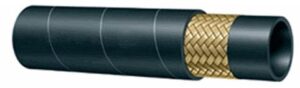
- Wire Braid Construction: Single or double wire braid reinforcement suits moderate pressure applications where flexibility remains important. These hoses handle dynamic movement well, making them ideal for machinery with moving components. The braided structure distributes pressure forces evenly, preventing weak spots from developing along the hose length.
- Spiral Wire Reinforcement: High-pressure systems demand the superior strength of spiral wire reinforcement. Multiple layers of helically wound wire create a robust structure capable of containing extreme pressures without expansion. Applications involving heavy construction equipment, hydraulic presses, and mining machinery typically require this reinforcement level.
- Textile Reinforcement Options: Lower-pressure applications sometimes benefit from textile-reinforced hoses, which offer excellent flexibility and lighter weight. These work well for return lines and suction applications where pressure demands are minimal but movement and positioning flexibility matter greatly.
Bend Radius Specifications
- Minimum Bend Radius: Every hydraulic hose has a minimum bend radius it can handle without damage. Bending a hose too sharply creates stress concentrations that weaken the reinforcement and accelerate wear. Check the manufacturer’s specifications and ensure your installation allows adequate space for proper routing without exceeding these limits.
- Dynamic vs Static Applications: Hoses that move repeatedly during operation need more generous bend radius allowances than those in fixed positions. Dynamic applications generate fatigue stresses that compound with tight bending, significantly reducing service life. Plan your hose routing to accommodate movement without forcing sharp bends.
- Installation Planning: Many hydraulic hose failures stem from poor installation practices rather than product defects. Map out your hose routing before purchase, identifying potential pinch points, sharp edges, and areas where movement might force the hose beyond its bend radius limits.
Critical Selection Factors
When evaluating hydraulic hoses, consider these essential elements:
- Working pressure must exceed your system’s maximum by an appropriate safety margin to prevent rupture.
- Hose material must resist degradation from your specific hydraulic fluid and operating temperatures.
- Reinforcement type should match your pressure requirements and application demands for strength versus flexibility.
- Physical dimensions including inner diameter, outer diameter, and length must fit your machinery specifications.
- End fittings must be compatible with your existing connections and capable of maintaining seal integrity.
- Expected service life should align with your maintenance schedules and replacement budget planning.
Size and Fitting Considerations
- Inner Diameter Selection: The hose’s inner diameter directly affects flow rate and pressure drop across your hydraulic system. Too small, and you create unnecessary resistance that reduces efficiency and generates heat. Too large, and you may experience flow velocity issues that allow contaminants to settle rather than being carried through the system.
- Outer Diameter Clearance: Consider the space available for hose installation, including any protective sleeving or guards you plan to add. Measure clearances carefully, accounting for hose movement under pressure, as hydraulic hoses typically expand slightly when pressurised. Inadequate clearance leads to abrasion against machinery components.
End Fitting Compatibility: The best hose becomes useless if its fittings don’t match your existing ports and adapters. Verify thread types, seal methods, and orientation requirements before ordering. Mismatched fittings create leak paths and weak points that compromise system integrity.
Conclusion
Choosing the right hydraulic hose demands careful attention to working pressure ratings, material compatibility with your fluids, appropriate reinforcement construction, and adequate bend radius allowances. Skipping any of these checks invites equipment failure, production delays, and unnecessary replacement costs. Take time to match specifications precisely to your application requirements, and consult with technical experts when uncertainty exists about any aspect of your selection. Proper hose selection protects your investment in machinery and keeps your operations running smoothly.


Leave a Reply