
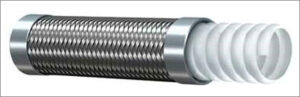
When industrial operations demand the use of materials that withstand extreme conditions, engineers turn to specialised solutions. A teflon hose offers unmatched performance where conventional rubber or metal systems fail. The unique molecular structure of PTFE creates possibilities that other materials simply cannot match in demanding environments.
The Teflon hose has become indispensable across automotive, chemical processing, and pharmaceutical sectors. Industries face constant pressure to maintain safety standards without compromising operational efficiency. PTFE technology addresses these challenges through properties that remain stable across temperature extremes and corrosive exposures that destroy alternative materials.
Understanding PTFE’s Molecular Advantage
- Carbon-Fluorine Bond Strength: The backbone of polytetrafluoroethylene consists of carbon atoms completely surrounded by fluorine atoms. This molecular arrangement creates one of the strongest bonds in organic chemistry. The fluorine shield prevents chemical attacks that readily degrade other polymers, making PTFE exceptionally resistant to industrial solvents and aggressive chemicals.
- Non-Reactive Surface Properties: PTFE presents an almost entirely non-stick surface at the molecular level. Very few substances can adhere to or react with this fluoropolymer coating. This characteristic prevents contamination in sensitive applications like food processing or pharmaceutical manufacturing, where purity standards cannot tolerate material interaction.
- Temperature Stability Range: Unlike rubber compounds that harden in cold or soften in heat, PTFE maintains structural integrity from -200°C to 260°C. This thermal stability allows continuous operation in cryogenic systems and high-temperature steam applications. Equipment downtime from material failure decreases significantly when hoses perform reliably across such extreme ranges.
Chemical Resistance That Protects Operations
- Immunity to Corrosive Substances: Strong acids, caustic bases, and aggressive solvents pose no threat to PTFE’s molecular structure. Chemical plants processing hydrochloric acid, sodium hydroxide, or organic solvents rely on this resistance. A single hose failure in these environments can result in facility shutdowns, environmental incidents, and substantial financial losses.
- Preventing Contamination Risks: Many industrial processes require absolute chemical purity. PTFE hoses do not leach additives, plasticisers, or degradation products into flowing media. Pharmaceutical manufacturers and semiconductor facilities depend on this inertness. Cross-contamination from hose materials can ruin entire production batches worth considerable investment.
- Long-Term Stability Benefits: Most industrial hoses gradually deteriorate when exposed to chemicals, requiring replacement schedules that interrupt operations. PTFE maintains its properties indefinitely under chemical exposure. Facilities reduce maintenance intervals and unplanned shutdowns. The initial investment in PTFE systems pays returns through extended service life and reduced replacement frequency.
Flexibility Without Performance Compromise
- Maintaining Flow Efficiency: Smooth PTFE inner surfaces create minimal friction against flowing fluids or gases. This characteristic reduces pressure drops across hose lengths compared to rougher materials. Pumping systems operate more efficiently, consuming less energy. In large-scale operations, these efficiency gains translate to measurable cost savings on operational expenses.
- Installation Advantages: Despite exceptional strength, PTFE hoses bend and route through complex machinery layouts. Engineers appreciate this flexibility during equipment design and retrofitting projects. Rigid piping systems require numerous fittings and joints, each representing a potential leak point. Flexible PTFE solutions reduce connection points and simplify installation processes.
- Vibration and Movement Tolerance: Industrial machinery generates constant vibration and thermal expansion cycles. PTFE hoses absorb these movements without developing stress cracks or fatigue failures. Equipment operating under dynamic conditions experiences fewer connection failures. This resilience particularly benefits automotive and aerospace applications where movement and vibration are constant factors.
Critical Applications Across Industries
Different sectors exploit PTFE’s unique properties for specific challenges:
- Automotive fuel systems utilise PTFE hoses for their resistance to petrol, diesel, and ethanol blends whilst maintaining flexibility around engine components.
- Chemical processing plants depend on PTFE for transferring corrosive acids, bases, and solvents that would destroy standard rubber hoses within days.
- Food and beverage production requires PTFE’s non-contaminating properties to meet strict hygiene standards and prevent flavour absorption or chemical migration.
- Pharmaceutical manufacturing leverages PTFE’s purity and sterilisation compatibility for transferring sensitive compounds without degradation or contamination risks.
Conclusion
PTFE technology represents a significant advancement in industrial fluid transfer systems. The molecular properties of teflon hoses deliver performance that conventional materials cannot match across temperature extremes, chemical exposures, and demanding operational conditions. Industries investing in PTFE solutions gain reliability, reduced maintenance costs, and operational safety that justify the initial expenditure. Consider evaluating your current hose systems against the performance standards that PTFE technology offers for critical applications in your facility.


Leave a Reply