Choosing the wrong steam hose can shut down your entire operation. When high-temperature steam systems fail, the consequences aren’t just expensive. They’re dangerous. Workers get injured. Production stops. Your reputation takes a hit.
The right steam hose does more than just move steam from point A to point B. It protects your team, keeps operations running smoothly, and saves money over time. But here’s the problem: not all steam hoses are created equal. Temperature ratings, pressure capabilities, and material construction vary wildly across products. Pick the wrong specification, and you’re looking at premature failure, safety hazards, and unplanned downtime.
Understanding Your Steam Requirements
Start with the basics. What temperature will your steam reach? Most industrial steam applications run between 160°C and 230°C, but some processes push beyond that. Your hose needs to handle not just the operating temperature but also pressure spikes that happen during system startup or valve operations.
Pressure ratings matter just as much. A hose rated for 10 bar won’t survive in a 15 bar system, even briefly. Check your system’s maximum working pressure, then add a safety margin. Steam surges happen. Your hose should be ready for them.
Material Construction Makes the Difference
The inner tube material determines how well your hose handles steam contact. EPDM rubber works for most applications because it resists heat degradation and maintains flexibility. Some manufacturers use synthetic rubber compounds that offer better chemical resistance if your steam carries additives or cleaning agents.
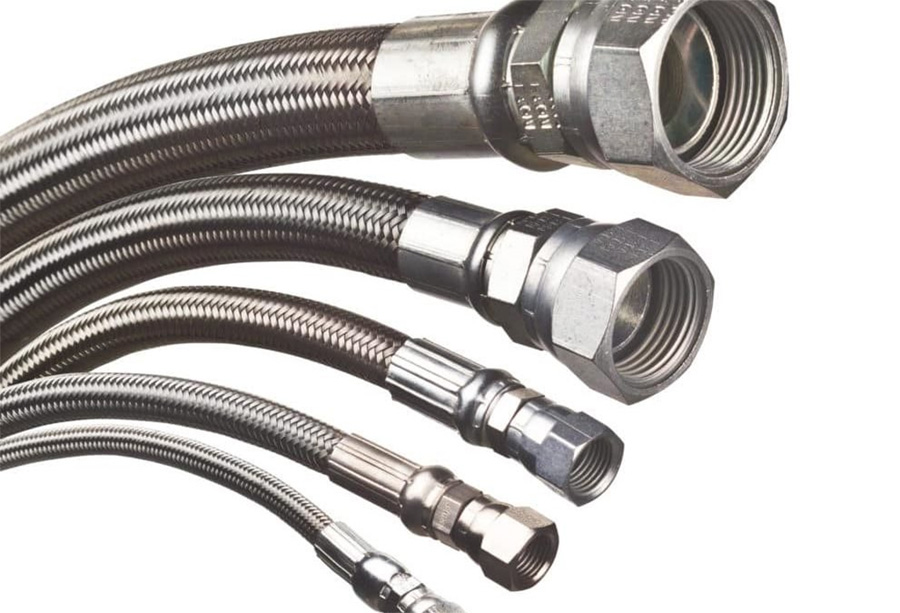
The reinforcement layer provides strength. Textile braiding works for lower pressures, whilst wire reinforcement handles higher demands. Multiple layers of reinforcement increase burst pressure ratings but also make the hose less flexible. You’ll need to balance strength against manoeuvrability based on your installation requirements.
Cover material protects everything underneath. It needs to resist abrasion, weather, and whatever else exists in your work environment. Oil-resistant covers help in automotive facilities. Abrasion-resistant covers last longer in construction sites where hoses drag across rough surfaces.
Installation and Safety Factors
Bend radius specifications exist for good reasons. Force a hose into too tight a curve, and you’re weakening the reinforcement structure. The hose might work initially, but failure comes sooner than expected. Always follow the manufacturer’s minimum bend radius guidelines.
Coupling selection connects your hose to the system. Quick-release couplings speed up hose changes and reduce connection errors. They’re worth the investment in high-turnover operations where time matters. Thread connections provide reliability but take longer to attach and detach.
End fittings need proper crimping or clamping. Poor connections cause more failures than bad hoses. Steam leaks at connection points create burn hazards and waste energy. If your team isn’t confident in crimping fittings, get factory-assembled hoses.
Inspection and Replacement
Visual checks catch problems early. Look for cracks, bulges, or exposed reinforcement. These signs mean replacement time has arrived. Don’t wait for complete failure. The cost of a new hose is nothing compared to injury costs or production losses.
Temperature changes make hoses expand and contract. Over time, this movement weakens materials. Even if a hose looks fine externally, the inner tube might be degrading. Most industrial operations replace steam hoses on a schedule rather than waiting for visible damage. It’s cheaper that way.
Testing your system after hose replacement confirms everything works correctly. Check for leaks at low pressure before ramping up to full operating conditions. This simple step prevents accidents and wasted installation time.
Featured Image Source : https://5.imimg.com/data5/ET/PM/PD/SELLER-1816462/s-s-steam-flexible-hoses.jpg


Leave a Reply