Industrial plants operate under constant pressure. Equipment failures disrupt production schedules and create serious safety hazards. A flexible hose transfers fluids and gases through complex systems, yet these components often receive minimal attention until something goes wrong. Plants experience unplanned shutdowns that cost thousands per hour when hose assemblies fail.
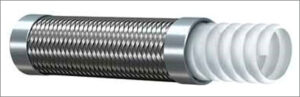
A flexible hose designed for specific applications prevents common failure modes. PTFE construction resists chemical attack and maintains integrity across extreme temperature ranges. Plants that prioritize hose quality report fewer emergency repairs and improved worker safety. The difference between adequate and superior hose performance often determines whether operations run smoothly or face costly interruptions.
When Systems Fail Without Warning
- Brittle Materials Crack Under Stress: Temperature fluctuations cause inferior hose materials to lose flexibility over time. Rubber compounds harden and develop surface cracks that spread inward. Operators discover leaks during critical production runs when replacement becomes difficult and expensive. Emergency shutdowns cascade through interconnected processes.
- Chemical Exposure Accelerates Deterioration: Harsh chemicals permeate through low-grade hose walls and attack reinforcement layers. Internal degradation occurs invisibly until catastrophic failure happens without warning. Steam systems carrying condensate require materials that withstand both heat and corrosive compounds. Plants using inadequate hoses face repeated failures in the same locations.
PTFE Construction Delivers Consistent Performance
- Non-Permeable Barriers Stop Chemical Migration: PTFE flexible hose assemblies create impenetrable barriers against aggressive chemicals. The fluoropolymer structure prevents molecular penetration that degrades other materials. This protection extends to cleaning agents, solvents, and process fluids that would destroy conventional hoses. Chemical plants report service lives exceeding five years in applications where rubber hoses failed quarterly.
- Temperature Stability Maintains Mechanical Properties: PTFE maintains flexibility from cryogenic temperatures to 260°C without material degradation. The molecular structure remains stable across this range. Steam systems benefit from hoses that handle temperature cycling without becoming brittle or losing strength. Operators eliminate seasonal hose replacements associated with temperature extremes.
Safety Benefits That Protect Personnel
- Leak Prevention Reduces Exposure Risks: Workers face health hazards when toxic chemicals escape through degraded hoses. PTFE construction eliminates permeation that allows invisible vapor transmission. Plants handling hazardous materials meet safety requirements more easily. Fewer exposure incidents translate to lower insurance costs and improved regulatory compliance.
- Predictable Performance Enables Better Planning: Maintenance teams can schedule replacements based on actual service life data rather than reacting to failures. This predictability allows proper staffing and parts inventory management. Plants reduce overtime costs associated with emergency repairs. Scheduled maintenance windows replace crisis management approaches that drain resources and disrupt operations.
Key Selection Criteria for Plant Managers
When evaluating hose options for critical applications, several factors determine long-term success:
- Temperature range compatibility: Match hose ratings to actual operating conditions with appropriate safety margins.
- Chemical resistance verification: Confirm compatibility with all process fluids including cleaning agents and occasional contaminants.
- Pressure rating adequacy: Account for system pressure spikes that exceed normal operating pressures.
- Flexibility requirements: Ensure hoses can be routed and connected without excessive stress on fittings.
Building Reliability Into Every Connection
Industrial systems demand components that perform consistently under demanding conditions. The choice between adequate and exceptional hose quality determines whether plants operate efficiently or struggle with recurring problems. PTFE flexible hose assemblies deliver measurable improvements in safety, reliability, and cost efficiency. Operations teams that prioritize quality in fluid transfer systems report fewer emergencies and smoother production. Contact qualified suppliers to evaluate specific application requirements and identify optimal hose solutions for your facility.


Leave a Reply